
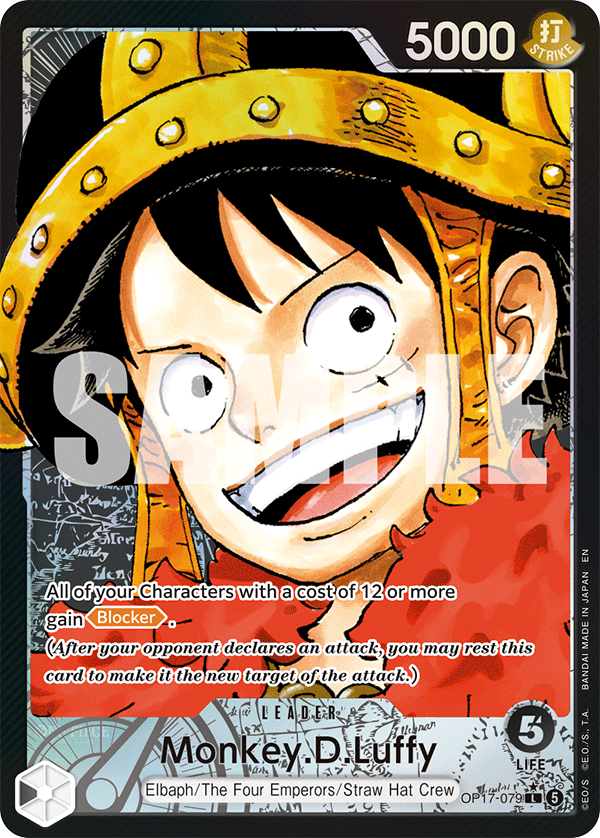
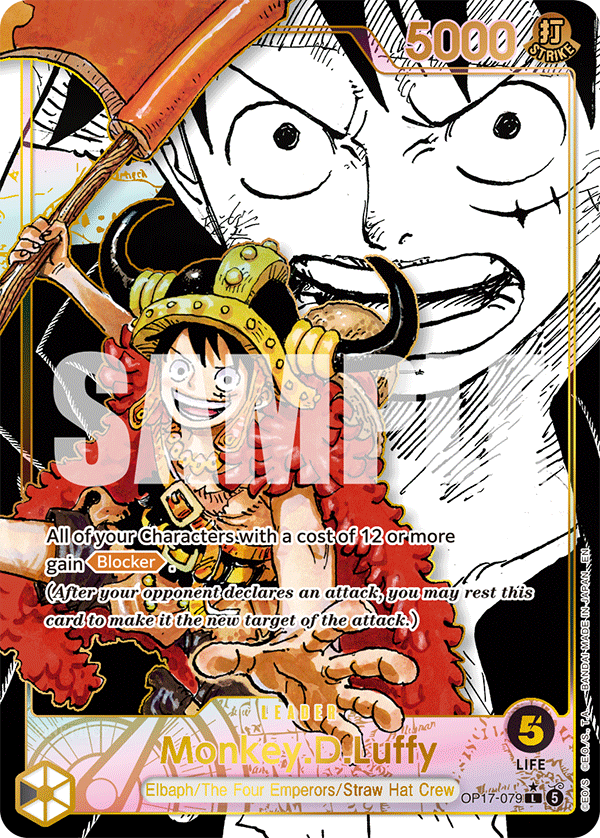
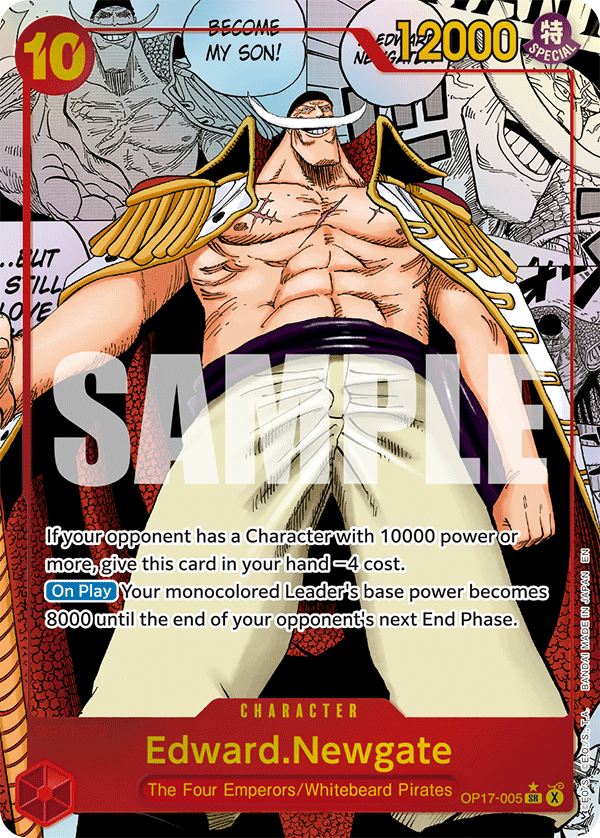
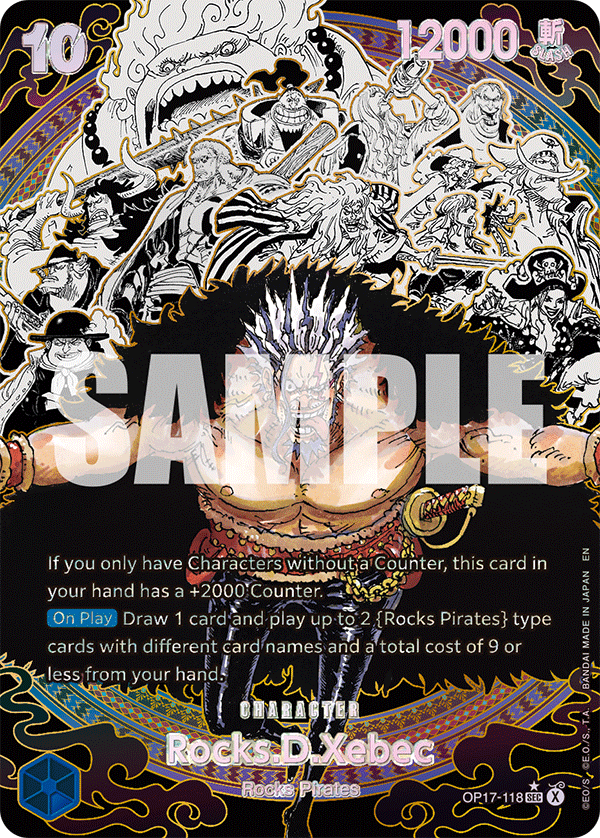
You pull a shiny Luffy, look up his card number and find several listings with completely different pictures. One says Secret Rare, another Alternate Art and a third Manga. Yet they all share the same code. This is where buying One Piece cards can get confusing: a card can have several collectible versions without becoming a different card for gameplay.
This guide will help you identify cards and compare listings more carefully. We separate a card’s rarity, its illustration and its edition. You do not need to memorise an entire set or understand every abbreviation a seller puts in a title. What matters is knowing which details belong together, and which details make a card interesting without telling you its price or its usefulness in a deck.
Read the card before reading the sales pitch
Start with the name, card number and rarity designation. Then look at the complete illustration. A character name is not enough to identify a card: Luffy, Zoro and Nami each appear on many different cards. A number on its own can also be insufficient for collecting, since several illustrations may share that number.
Write down the number and add the version you want. A clear photograph of the front is more useful than a title full of grand claims. If a listing only uses a stock image, pay extra attention to its description. When buying a particular collectible version, you should be able to tell which illustration will arrive. When collecting an entire set, start with its card list so you know which versions actually belong to it.
C and UC: The foundation of a collection
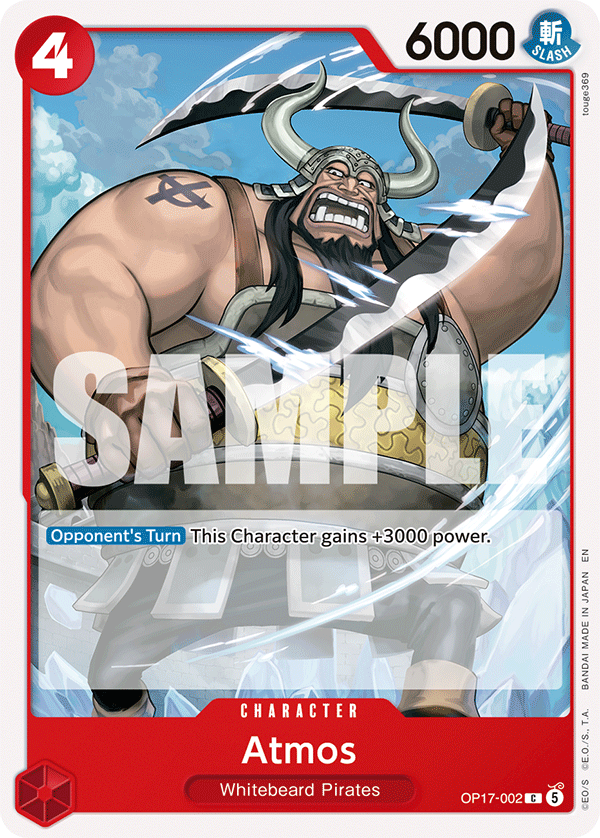
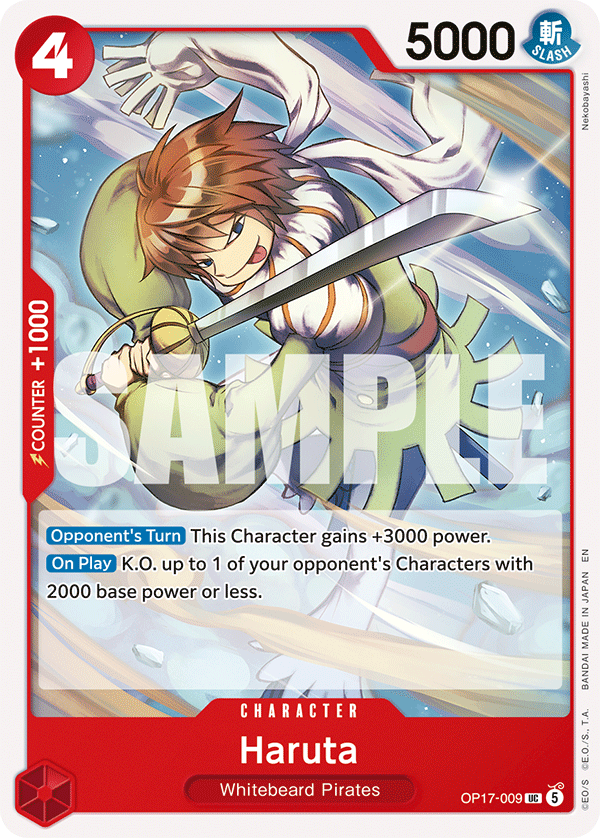
C means Common, while UC means Uncommon. These are two basic rarity categories you will often encounter while sorting packs. In a set binder, they belong to the collection just as much as the flashy hits. Putting every ordinary-looking card into an unsorted box will make finding them later much harder than it needs to be.
For a deck, the abbreviation is not a quality score. An unassuming card may do exactly the job your list needs. Sort playable copies by their function or intended deck, rather than rarity alone. For collecting, ordering cards by number makes missing cards easier to spot and helps avoid accidental duplicates. Decide early whether you want one copy of every standard card or whether you also want different illustrations. Those are two quite different shopping lists.
R: Rare does not automatically mean expensive
R stands for Rare. The word sounds exceptional, but here it first describes a defined category. It cannot tell you a reliable market price. Two Rare cards can appeal to buyers for entirely different reasons: one person needs copies for a deck, while another simply wants their favourite character in a binder.
When comparing offers, compare the same card in the same version and language. Check whether the price covers one copy or several. A reasonably priced standard version is not a poor purchase just because an elaborate illustration appears beside it. Think about your purpose before paying. If you want to play, the appropriate card may be enough; if you collect illustrations, the picture you actually want to look at is part of the decision too.
SR: Super Rare still needs to fit your deck
SR means Super Rare. You will see the label in set lists and single-card listings. It is useful for sorting, but it does not replace identifying the card or reading its effect. A higher-sounding rarity does not, by itself, make a card the right choice for your deck.
Read what it would contribute to your list. Does it work with your Leader? Does it help in a situation where your deck currently struggles? Collecting raises a different question: are you looking for the standard SR or a particular illustration of that card? Put that distinction in your wish list. Your search will stay clear when you compare several listings or arrange a trade with friends. You will also avoid buying another standard copy when your missing piece is an alternative artwork.
SEC: Secret Rare and Manga are different descriptions
SEC stands for Secret Rare. Monkey.D.Luffy OP05-119 is a helpful example of the difference between rarity and version: Bandai’s OP05 card list shows several illustrations with the same number and the same SEC classification. A different picture does not automatically create a different rarity abbreviation. Bandai’s OP05 card list
If you are looking for a particular SEC, a second question remains: which illustration? A listing with the correct number may still be the wrong collectible version for you. Compare its image with the official list and read the variant description. This extra step is especially useful when spending more on a single card. It prevents you from ordering a standard copy when you had a specific alternative picture in mind.
L: Leaders do not belong on a simple price ladder
L identifies a Leader. A Leader has a different role from an ordinary Character card. Trying to place it between Rare and Super Rare simply to create one continuous ranking can give you the wrong idea. You can organise Leaders as a separate part of your collection, with their different illustrations alongside them.
Again, distinguish the standard illustration from an alternative one. If you like a particular Leader, its regular version may already be exactly the card you want. A special artwork can then extend your collection without requiring a new deck idea. For shopping, use a precise description: name, number, desired illustration and language. That gives you a much clearer search than asking for the rarest Leader in a set, and it helps a trading partner understand which copy you mean.
Alt-Art and Parallel: Another picture of the same card
Alt-Art, Alternate Art and Parallel are terms you will encounter in listings for special card versions. They do not simply describe another rung above SEC. Treat them as a reason to check the illustration and the specific edition more closely. A card’s rarity designation and its alternative artwork answer two different questions.
Do not assume that every seller names variants in exactly the same way. Some titles are brief; others are extremely detailed. Look for the identifiable image and verify the number beside it. If you collect several versions, keep a small visual reference of the pictures you want. It is useful when trading: you can see immediately which version is already in your binder and which one is still missing. An extra copy of the wrong picture will not close that gap.
Manga artwork: A manga picture is not always a Manga chase card
Collectors often use Manga for sought-after variants with manga-panel designs. The word alone is not a secure identification. A card can use artwork from the manga while belonging to a different kind of variant. For example, Bandai presents OP09 Alt-Art Leaders with original manga art alongside Super Alt-Art cards. Bandai’s OP09 product overview
Always check the exact card on offer. A description such as “manga art” can otherwise create expectations that its picture does not meet. Examine the complete design rather than just the character’s face. An ordinary manga portrait can still be the image you prefer for your collection. Collecting terms help you find cards; they do not have to decide your taste. Buy the illustration you want after confirming what the listing actually contains.
Super Parallel: OP17’s Manga versions
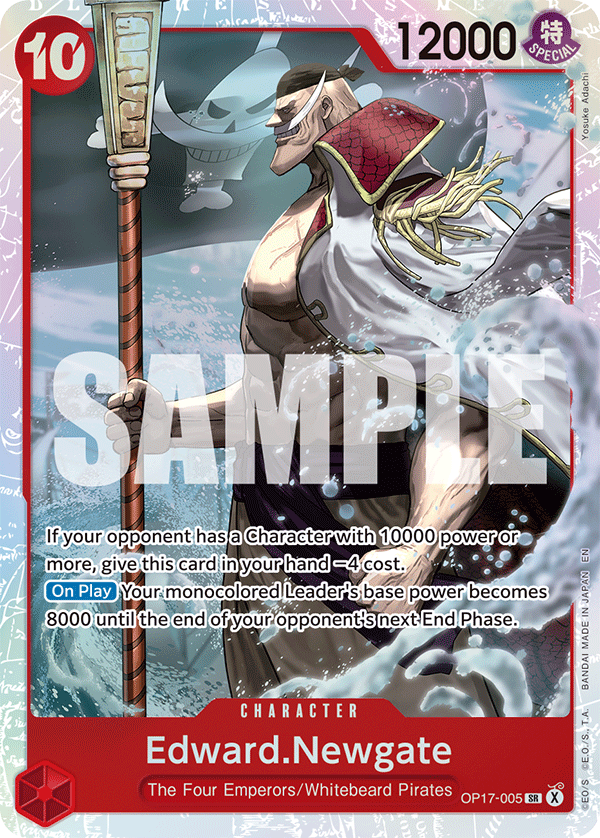
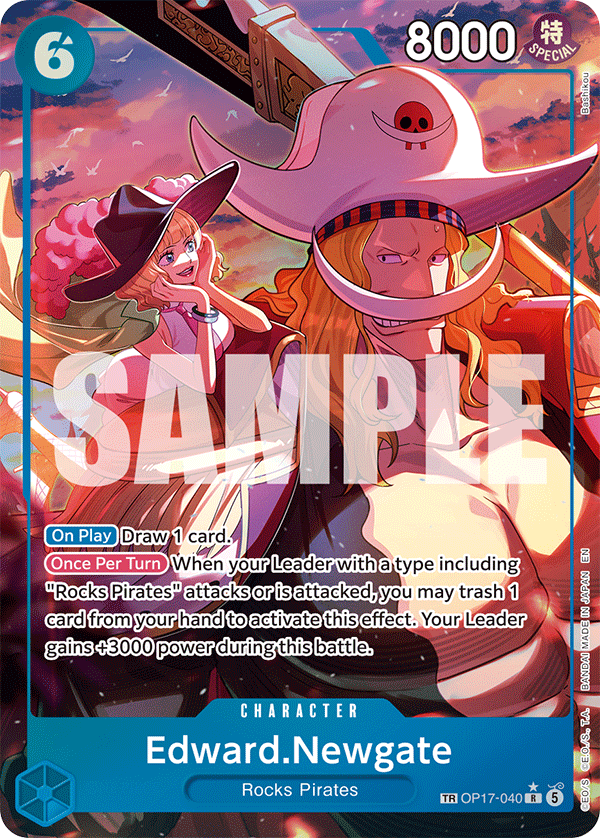
Bandai uses Super Parallel on the Japanese OP17 page and Super Alt-Art on the English page for the special manga-style design. OP17 shows these versions for Edward.Newgate, Shanks, Kaido and Charlotte Linlin. Bandai’s Japanese OP17 product page
Listings often call them Manga. That describes the design rather than automatically identifying a SEC card: our pictured Edward.Newgate OP17-005 remains an SR in the card list. Searching for “Whitebeard SR” is therefore not enough to identify this version. Compare the complete illustration with the preview. You can recognise the manga background you want and avoid confusing it with the regular SR artwork or another parallel version. The character name alone cannot resolve that distinction.
Super Leader: Luffy’s special OP17 version
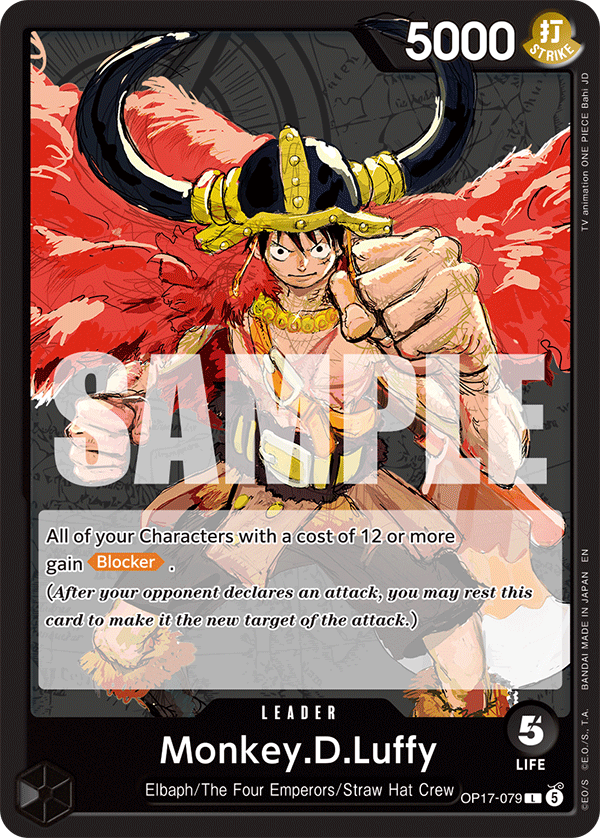
Monkey.D.Luffy OP17-079 gets a Super Leader Alt-Art in OP17; the Japanese term is Super Leader Parallel. This is a specially designed Leader version featuring original manga artwork. Bandai’s English OP17 product page
The overview above lets you compare the standard Leader, Alt-Art and Super Leader side by side. All three share the number and the basic L designation. That makes the illustration essential when buying. A listing called “Leader Parallel” does not identify the Super Leader version clearly enough on its own. Check the picture and the full variant description. A special collectible version does not become a different gameplay card, but it can still be exactly the picture you want for your binder.
Pirate Crew and Haki SP: More OP17 special designs
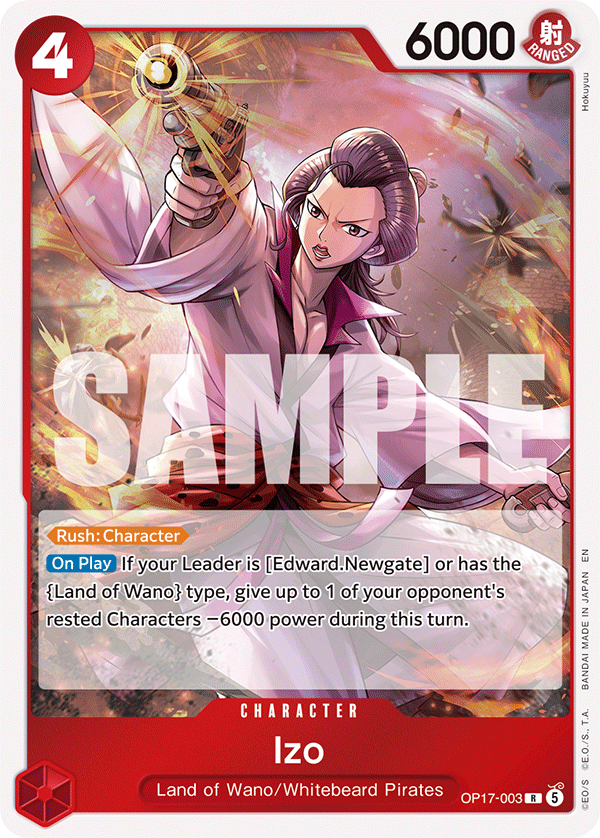
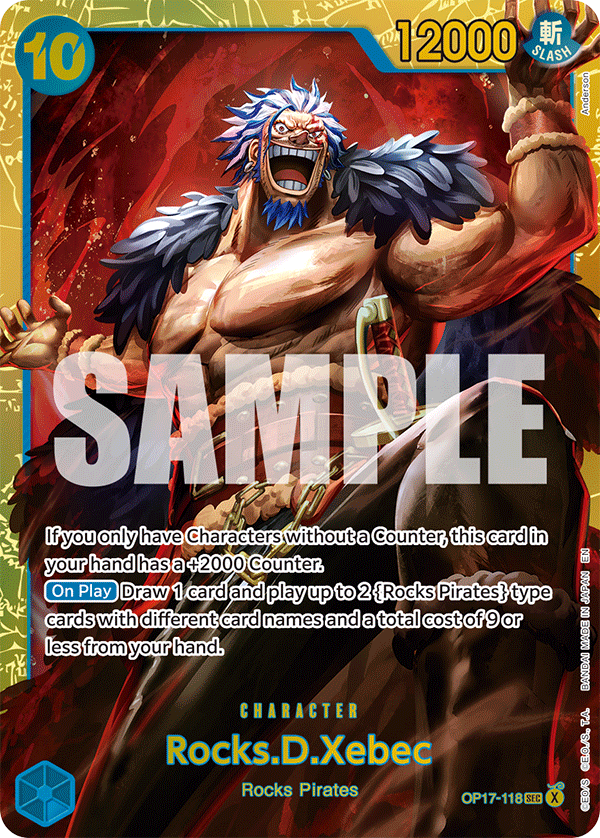
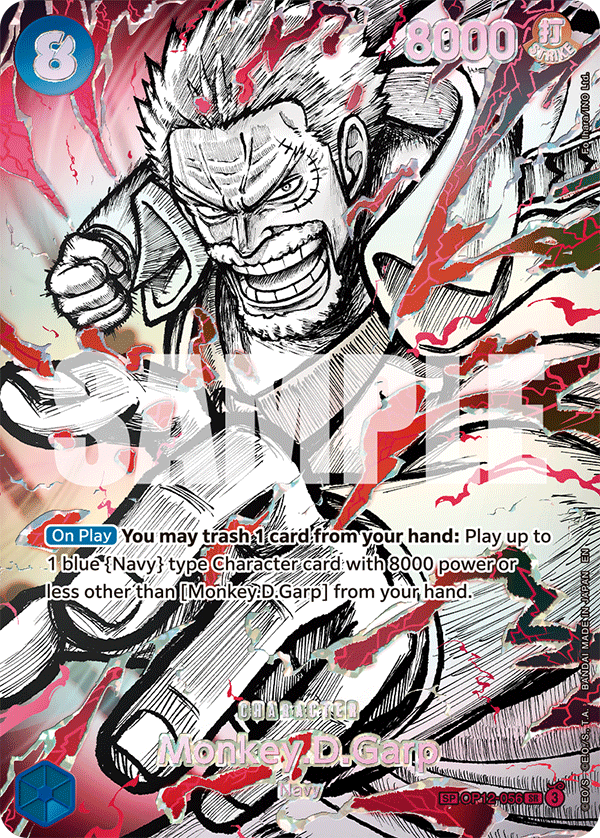
The anniversary also includes Pirate Crew artworks for Monkey.D.Luffy EB04-061 and Rocks.D.Xebec OP17-118. There are Haki SP designs, such as Monkey.D.Garp OP12-056, alongside special versions of the new Emperors. OP17 card list with its different versions
Name these designs separately rather than calling every unusual OP17 image Manga. The Pirate Crew illustration centres on the crew composition; the SP classification helps identify our Haki example. Record the variant name as well as the number. The anniversary Rocks picture is a different collecting target from his ordinary alternative artwork. An original set code alone also does not tell you which booster contains a later version. A small visual wish list is especially helpful when searching for these special designs.
SP and Treasure Rare: Check the individual set
SP refers to Special Cards, while TR refers to Treasure Rare. Check these categories against the relevant product and card lists. OP09 provides a useful example: Bandai lists a version of Monkey.D.Luffy OP05-119 as SP CARD and Zoro-Juurou ST18-004 as TR. A card number can therefore point to an earlier origin. Bandai’s OP09 card list
An older number does not automatically mean a card has been assigned to the wrong newer product. The particular version is what matters. Conversely, do not call every unusual illustration an SP. Match it to the official list. Avoid carrying one set’s categories over to the next without checking, too. You need to look up the special cards included in the product you are considering, rather than expecting every set to use an identical selection of categories.
Promo: Check the version as well as the occasion
Promo describes a connection to a particular release or distribution. P is an abbreviation you will encounter on promo cards. That does not produce a reliable rule such as “promos are always rarer than SECs.” You need the actual card and edition, rather than just the word in a listing, to understand what you are buying.
A photograph is particularly useful for cards with stamps or specific edition descriptions. Check which marking is actually present and whether the listing matches it. Ask about the exact version before purchasing an unclear offer. For a themed collection, you can keep promos in their own section. That stops gaps in a regular set from becoming mixed up with cards you collect for other reasons. It also makes a large binder easier to browse and your next purchase easier to plan.
DON!!: Different illustrations for a different card role
DON!! cards also belong to the One Piece Card Game, but they serve their own purpose. Do not treat a special DON!! illustration as an additional Character rarity. Their pictures can still make an enjoyable collection: you might choose designs that suit your Leader, favourite crew or preferred art style.
Think about whether you want a matching design or a mix of different pictures. When buying several copies, check exactly how many cards the listing includes. Confirm the language and illustration as well. If you simply want a nicer DON!! selection for playing, you do not need every edition ever released. A deliberately chosen group can be more enjoyable on the table than a pile of special cards that you never use. Let the way you play guide the size of that collection.
Artist collaborations: A name is not a rarity tier
A collaboration with a well-known illustrator is a good reason to take a closer look at an artwork. It does not form a separate rarity tier. Our OP18 article covers Yoshitaka Amano’s collaboration and the revealed Loki and Shamrock illustrations, with links to the original reveals. OP18 preview with Amano artworks
If you collect an artist’s work, you can group those cards regardless of their rarity. Record the card number and exact illustration: the artist’s name alone does not identify an edition. The same approach works for a particular series of designs. Enjoying the style is already a sensible reason to collect a card. You do not have to turn that interest into a complete set collection or chase every other sought-after version along the way.
Compare language, condition and grading separately
Rarity, language and condition are different properties. A crease does not turn a SEC into a Common, but it may matter greatly to your purchase. Likewise, a grading score evaluates a particular copy; it does not describe the card’s rarity category. Keep these details separate when comparing several offers.
For used cards, clear photographs of the front, back and edges are helpful. A tiny preview may be insufficient for assessing condition. With a graded card, read the actual label rather than only looking at the large number. Then decide which condition suits your purpose. A binder card and a card you intend to use regularly do not necessarily need to meet the same personal standard. Be clear about that before comparing prices, so that you compare offers that suit the purchase you actually want to make.
Singles, displays or cases: Buy for your purpose
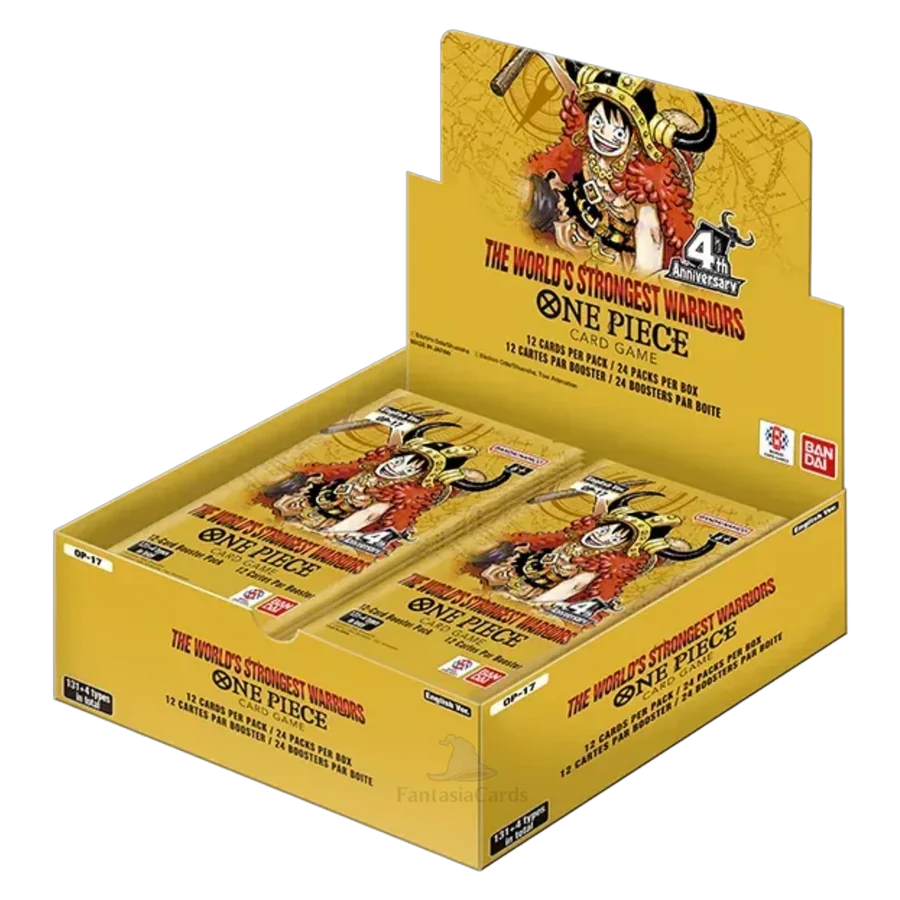
If you are missing one particular version, looking for that single card lets you target it directly. Opening packs is a separate part of the hobby: you are also buying the experience and its unknown outcome. Do not plan a booster, display or case purchase as though it automatically promises a particular Manga card.
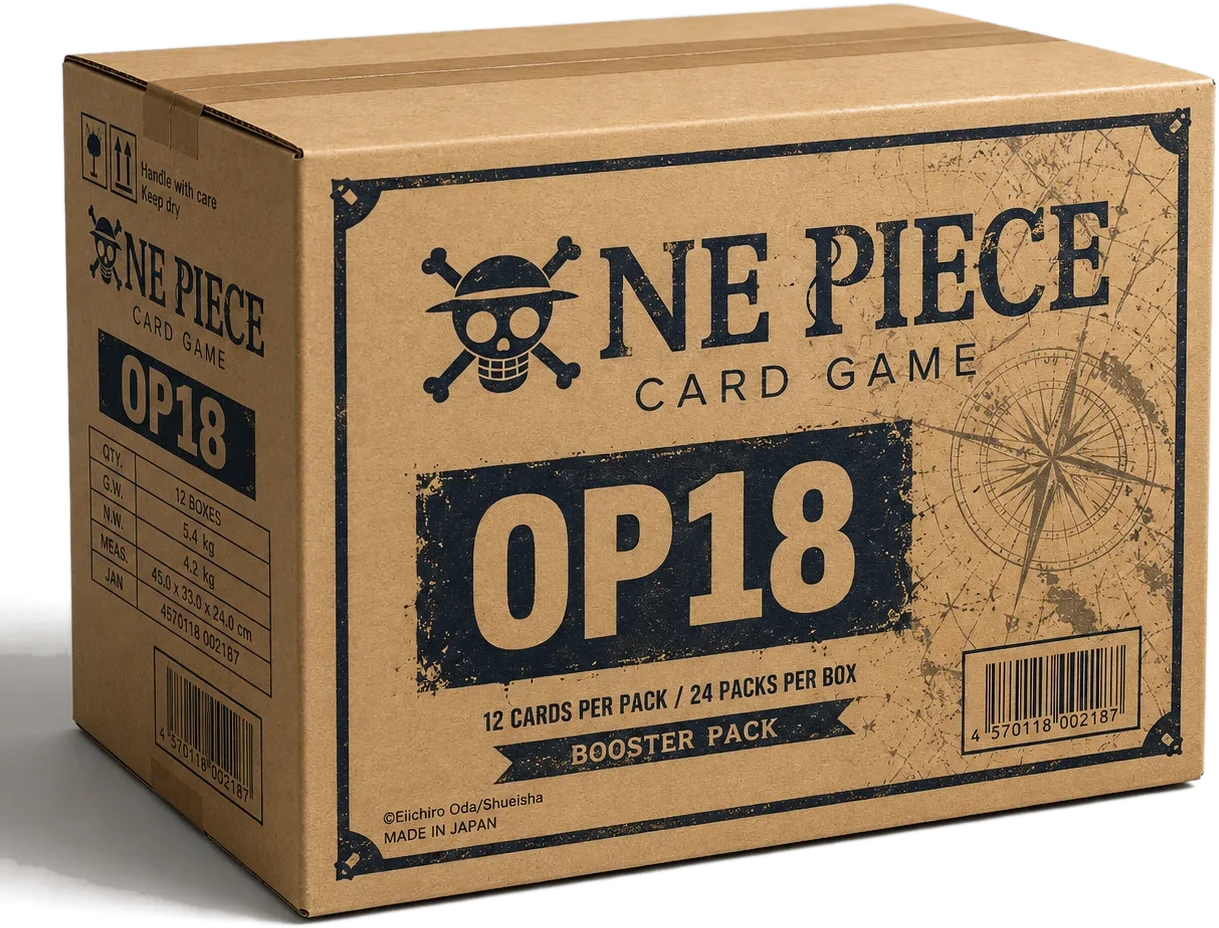
For a new set, check the language, product format and published contents first. Even a case does not replace a precise variant list. Our OP17 guide with display, booster and case links points to matching products with their language clearly identified. If you would rather close a gap in your collection, start with single cards on GrandLine Market. With the number, picture and edition in mind, an uncertain search becomes a specific card you know how to recognise.
Find the right product
Looking for a specific version? Start with single cards. If you want to open a new set, browse the English OP18 case here; the product page lists the current offer and shipping details.